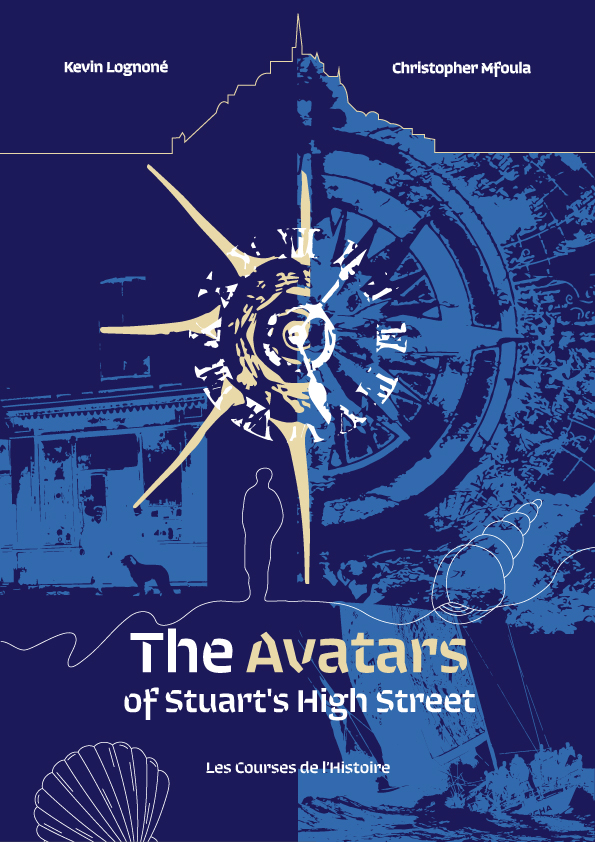
The Avatars of Stuarts High Street
The Avatars of Stuarts High Street is a novel published in 2026, offering a philosophical narrative of over 200 pages, translated into several languages, that explores the cross-Channel watchmaking arc and the maritime odyssey of the Stuarts, between the Bay of Mont-Saint-Michel, the Channel Islands, and the Emerald Coast.
The two main characters are: Elouan Lognoné, the protagonist, and his great-grandfather, Théophile Lognoné, a watchmaker, jeweler, repairman, and renowned industrialist, founder of Probiomer Industries. The story of The Avatars of the Stuarts’ High Street follows Elouan’s life and Théophile’s past simultaneously.
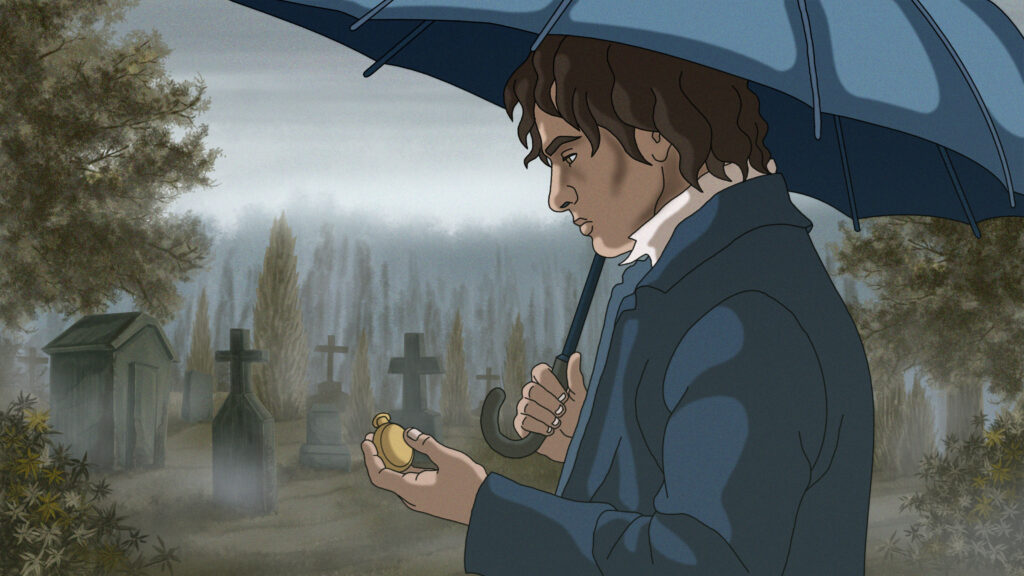
Elouan Lognoné, central protagonist of the maritime and historical odyssey of the Stuarts, along the cross-Channel watchmaking arc
Thanks to high-precision instruments and collaborations with innovative and scientific circles, such as the biologist Lucie Randoin, Théophile Lognoné developed a watchmaking bow whose technical inventions, stemming from the Probiomer industries, aimed to reuse shell sand and produce “living” calcium to regenerate soils and living beings.
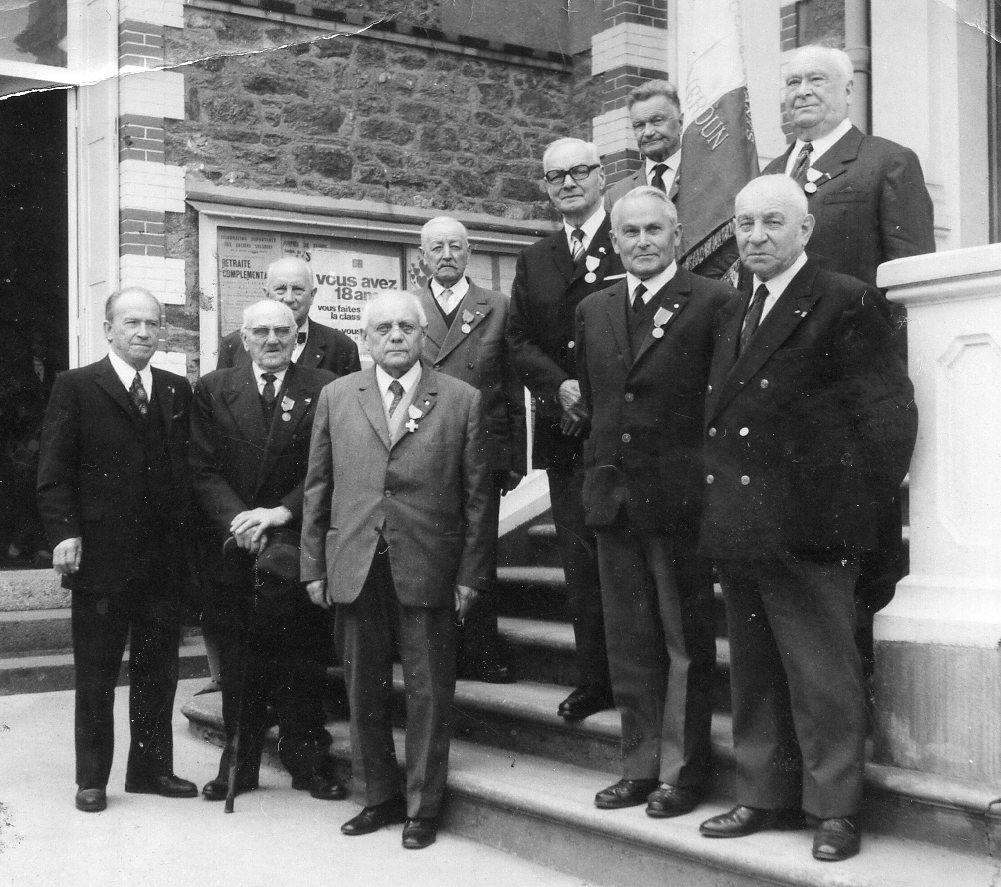
Théophile Lognoné, great watchmaker of the early 20th century and a renowned industrialist, former volunteer at Breguet Aviation (1939-1940)
But this discovery aroused the covetousness of a cartel hostile to any form of independent innovation. Elouan then embarks on a race against time to reactivate this watchmaking bow, navigating between creation and transmission, encountering living human treasures for future generations.
The book highlights several key concepts: Trans-Channel watchmaking heritage: it pays tribute to Théophile Lognoné, a talented watchmaker and jeweler, and traces the evolution of watchmaking through the Stuart dynasty. “Living human treasures”: The book addresses the challenges of transmitting know-how and artistic crafts. An international dimension: the epic tale stretches from the Bay of Mont-Saint-Michel to UNESCO World Heritage sites like the House of Wonders in Zanzibar, illustrating the influence of this heritage beyond maritime borders. This book skillfully blends ecological thriller, history, and reflections on the preservation of arts and crafts.
The connection between the Stuarts and Roscoff traces back to the historic arrival of Mary, Queen of Scots, in 1548.
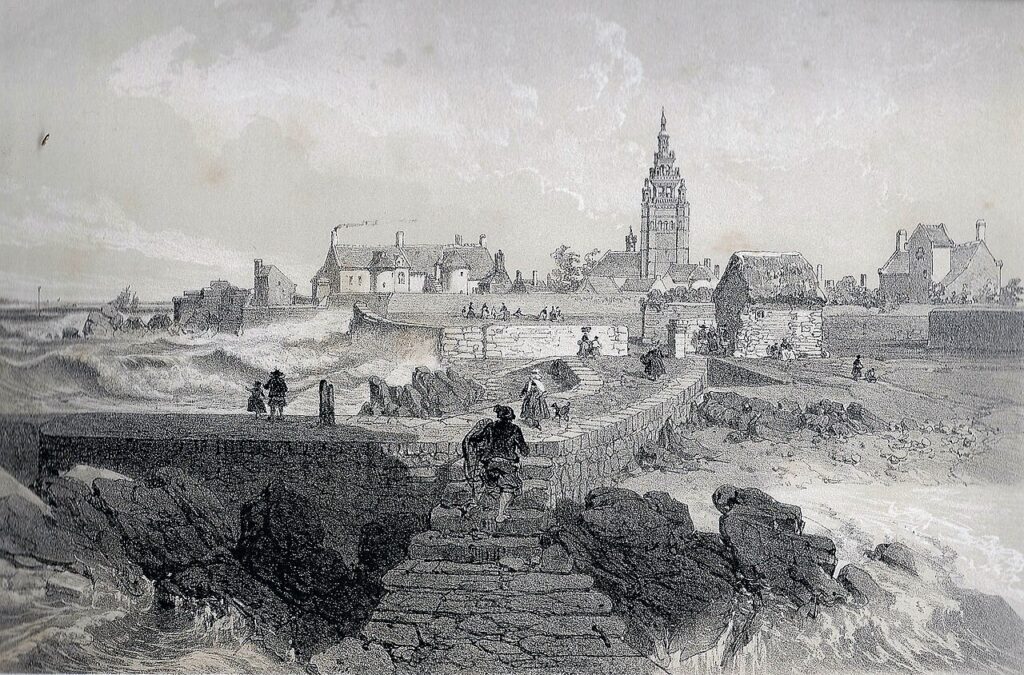
The House of Stuart’s legacy is preserved in the town’s architectural landmarks and a locally named, highly-rated crêperie.
Historic Landmarks
Mary Stuart Turret (Tourelle Marie-Stuart)
A 16th-century architectural relic located on the town hall turret (and surrounding town buildings), famously linked to the Scottish Queen.
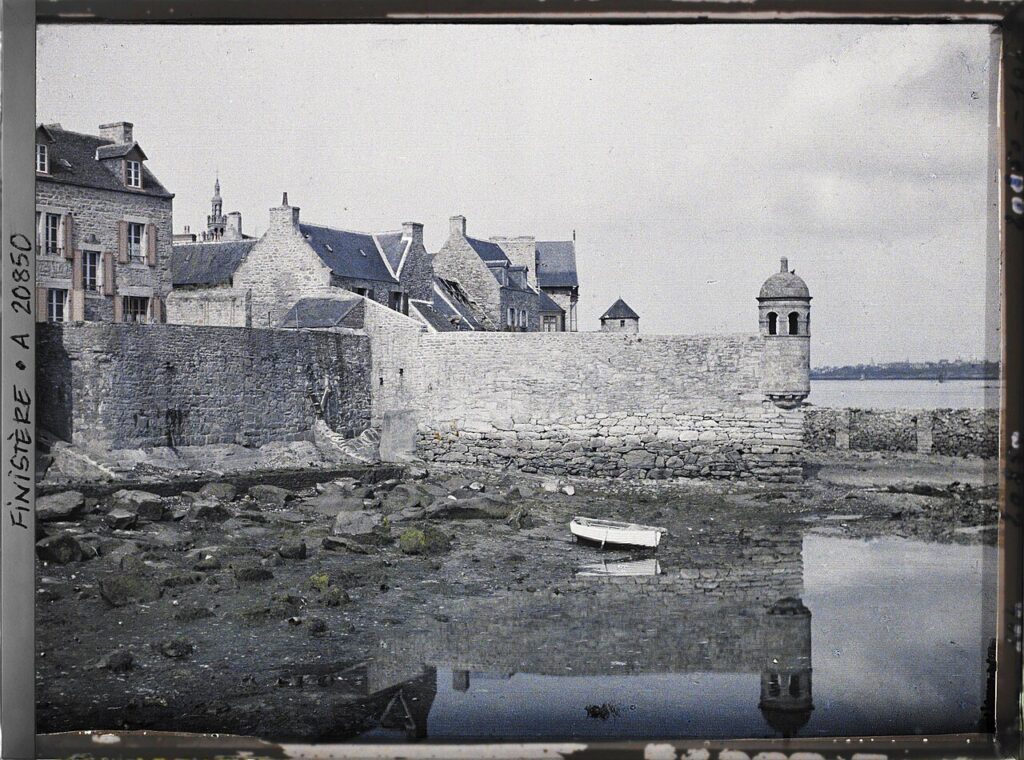
Mary Stuart House (Maison de Marie Stuart)
Located at 19 rue de l’Amiral-Réveillère, this 16th-century building features architectural elements from the original Saint-Ninian Chapel where Mary is believed to have stepped onto French soil.
Historical Context
Mary Stuart landed on the coast of Roscoff on August 15, 1548. At just five years old, she arrived in France to marry the Dauphin (the future King Francis II), forging a strategic alliance between Scotland and France.
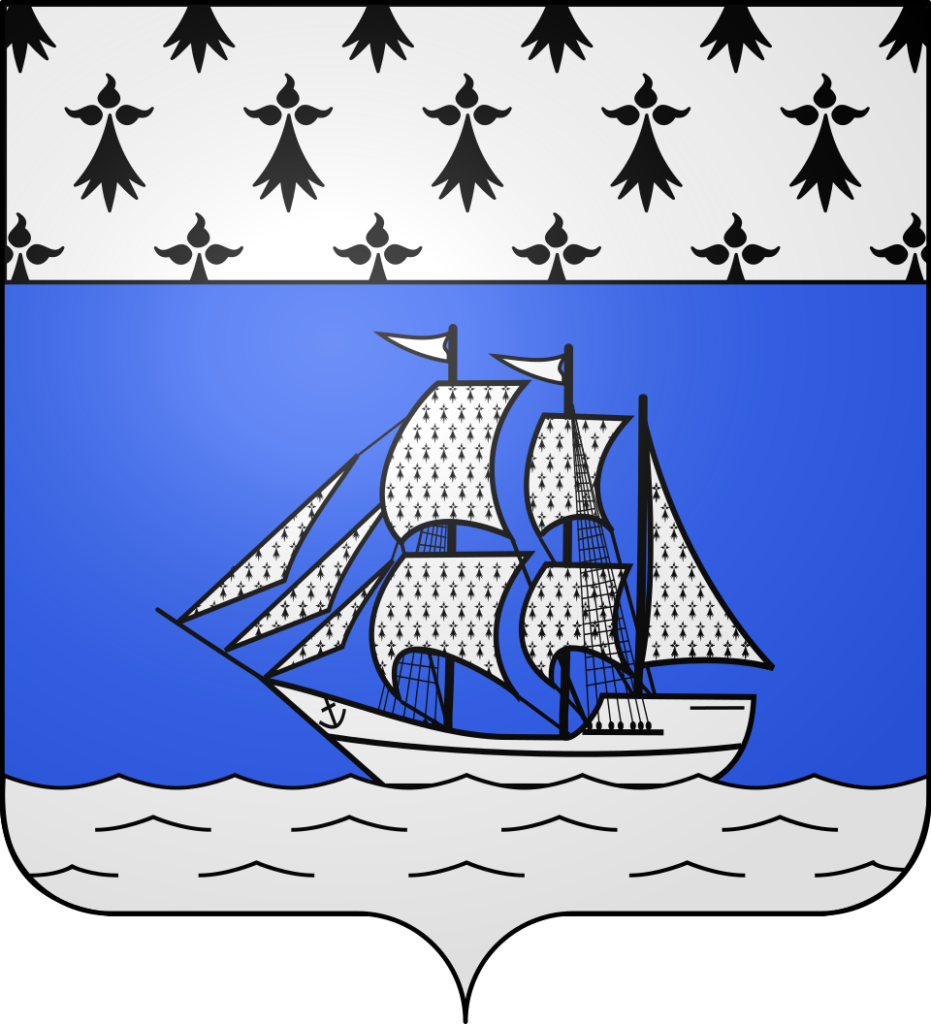
Coat of arms of Roscoff, a refuge town and stopover for Mary Stuart
Synopsis of the Avatars of Stuarts High Street
During the First English Civil War, Sir George Carteret’s Jersey ships entered the port of Saint-Malo. This book invites you to step suddenly into the heart of a diamond, as one might into the heart of a book: the story of the Stuarts’ long odyssey as maritime lords between the Bay of Mont-Saint-Michel, the Channel Islands, and the unruly waves of the Emerald Coast. Keen to maintain cross-Channel connections, the Sun King actively helped his cousin, James II Stuart, to reclaim his throne following the Glorious Revolution. This Jacobite policy (support for the Stuarts) directly influenced the landscape of European relations until the Treaty of Aix-la-Chapelle.
If the name “Stuarts High Street” means nothing to you, it’s because this street doesn’t exist. Or perhaps not yet in your immediate surroundings… In Dol-of-Brittany, formerly known as “Dol-upon-Sea” the sea lapped the town walls centuries ago, perched on an ancient shore of the Bay of Mont-Saint-Michel. In this cradle of the Stuart dynasty, Elouan Lognoné inherits a family watchmaking and jewelry business frozen in the mists of time. Exploring the archives of his great-grandfather, Théophile Lognoné, he discovers that the latter was not just a simple watchmaker and jeweler on Stuarts High Street : he was a modern-day alchemist of life.
Thanks to high-precision instruments and exchanges with innovative and scientific circles, such as the biologist Lucie Randoin, Théophile created a clockwork bow whose technical inventions, stemming from Probiomer industries, aimed to reuse shell sand and produce “living” calcium to regenerate soils and living beings. But this discovery aroused the covetousness of a cartel hostile to any form of independent innovation. Elouan then embarks on a race against time to reactivate this horological arc, a journey between creation and transmission, encountering living human treasures for future generations. The story of the Avatars of the Grande Rue des Stuarts follows simultaneously Elouan’s life and Théophile’s past. Beneath the guise of a philosophical essay, this ecological thriller offers a quest across continents that rehabilitates the figure of the watchmaker-repairer. This novel of great intellectual and philosophical nobility rewards patience with an urgent ecological message.
About the authors
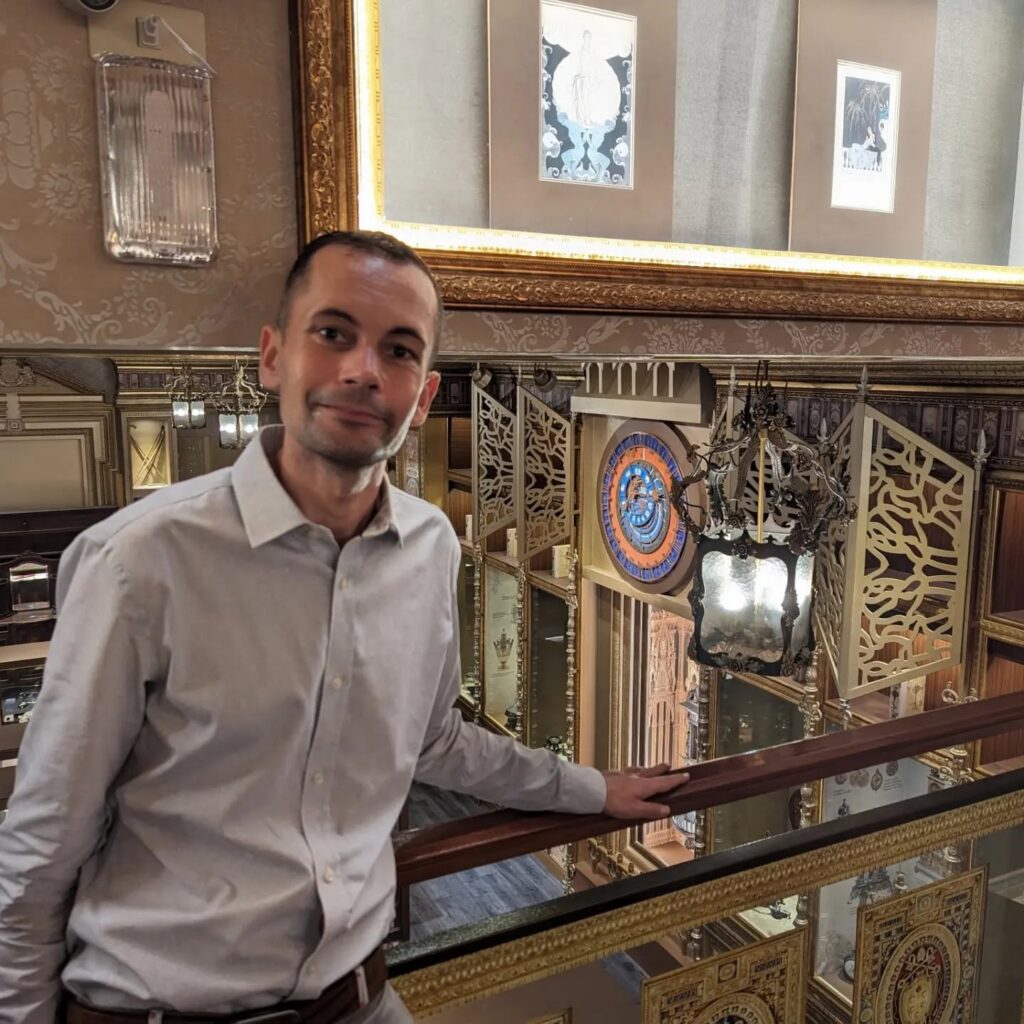
Kevin Lognoné represents the fifth generation of descendants of a family of innovators and travelers intimately linked to the history of time and the world of watchmaking, for which the sea remains an inexhaustible treasure trove. Originally, the profession of watchmaker was dedicated to regulating cannons (the last resort of kings – Ultima ratio regum in Latin). Advances in watchmaking and the navy have been linked since the advent of marine chronometers in the mid-18th century, which preserved timekeeping on a moving ship. To delve deeper into the horological, scientific, and maritime history on both sides of the English Channel and the figures who contributed to it, Kevin Lognoné offers, through this book, a thoughtfully conceived and comprehensive narrative. He resides in the heart of London for professional reasons, where he acts as a bridge between British and Middle Eastern luxury.
Christopher Mfoula dedicates this co-authored work to the 12th art, celebrating watchmaking, jewelry, and goldsmithing in a world in motion. For centuries, the inexhaustible ingenuity of watchmakers has pushed back the boundaries of time. Perpetuating and reinventing an odyssey of watch design will allow readers to question the mastery of human progress, between miniature innovations and life-size opportunities. October 10, 2025, marked the first International Watchmaking Day. Between Florence and Edinburgh, readers will discover in this book another city of watchmaking renaissance, where influence is destined to grow and unite all stakeholders. From Cape Town in South Africa to Dol-de-Bretagne, watchmaking is a total art form at the crossroads of science, art, and technology. Recognized as Intangible Cultural Heritage by UNESCO, it transcends the simple measurement of time to become a philosophical work of art where beauty resides as much in what is visible as in what is invisible.