Marguerite Chanvril (1901–1983) included in the 2028 French philatelic program under the Environment and Nature category
The annual philatelic program is determined by La Poste two years prior to the year of issue. A proposal for a Marguerite Chanvril stamp was reviewed by Philaposte—the division responsible for issuing new stamps—during the preparation for the upcoming 2028 program; this review took place in August 2026. By a decision dated August 28, 2026, made by Marie-Ange Debon, Chairwoman and CEO of La Poste, Marguerite Chanvril was included in the 2028 philatelic program under the Environment and Nature category.
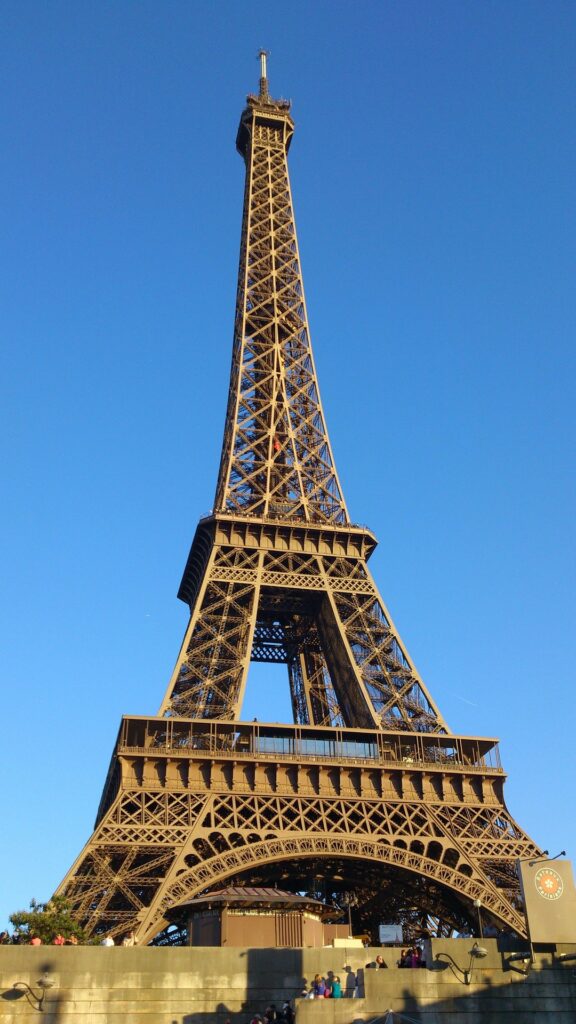
A pioneer in corporate social and environmental responsibility (CSR) within the life sciences sector (specifically at companies like Calcialiment and Probiomer), Marguerite Chanvril (1901–1983) maintained a correspondence with Lucie Randoin, the first female biologist at the Academy of Medicine. Beyond having streets named after her in towns such as Guichen, Guilers, and Boeuvre, this distinguished biologist is one of 72 French female scientists whose names were proposed by the Théophile Lognoné cultural foundation to be inscribed on the Eiffel Tower.
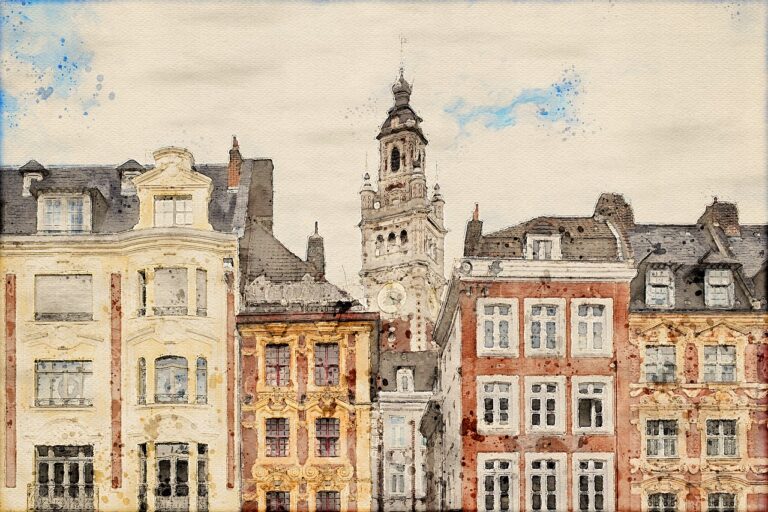
Hailing from a long line of weavers dating back to the 17th century, Marguerite Chanvril was born in Rennes in 1901. She was the granddaughter of François-Marie Colvez (1822–1881)—a linen merchant turned gendarme—and Julie Louise Touchard (1832–1904), a native of Saint-Brice-en-Coglès, a village that serves as a small living museum along the “Marche des Châteaux” (Castle Trail) connecting Fougères to the Bay of Mont-Saint-Michel.
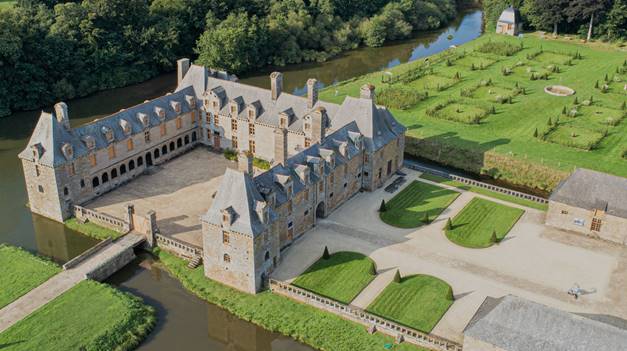
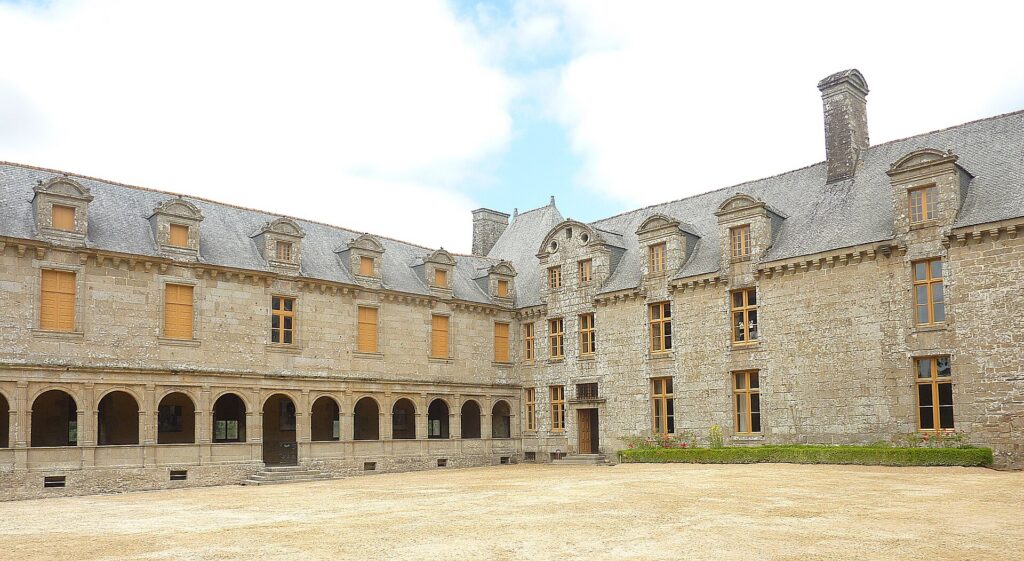
The history of the Coglais region—like that of the Guichen area—is closely tied to the golden age of Brittany’s linen and hemp manufacturing industries, which spanned the 15th to the 18th centuries. Saint-Brice-en-Coglès still bears significant traces of this textile-driven prosperity. Profits from the fabric trade played a major role in funding the area’s architectural gems, including châteaux, manor houses (such as Rocher-Portail), and religious buildings (like the Church of Saint-Brice).
Honoring the legacy of hemp and the skilled weavers who worked with it, the Maison Chanvril has—across generations—maintained a thriving workshop that bridges tradition and modernity.
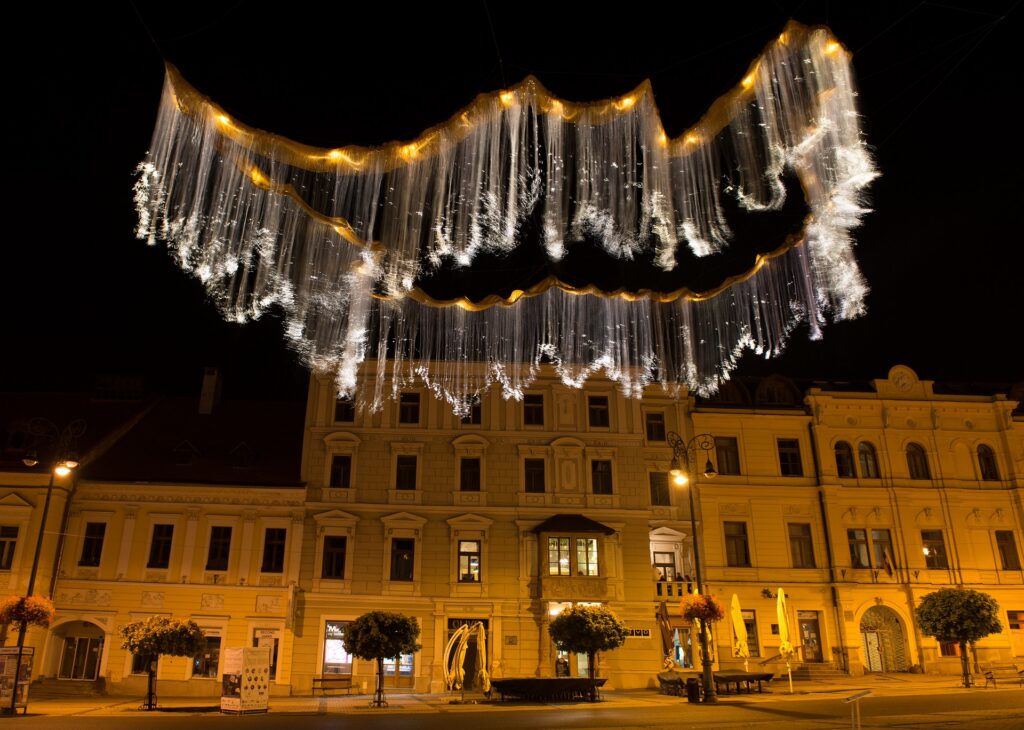
While the use of hemp dates back to antiquity—when it was cultivated for its fibers—the plant’s biological model has also been a major source of inspiration for the life sciences.
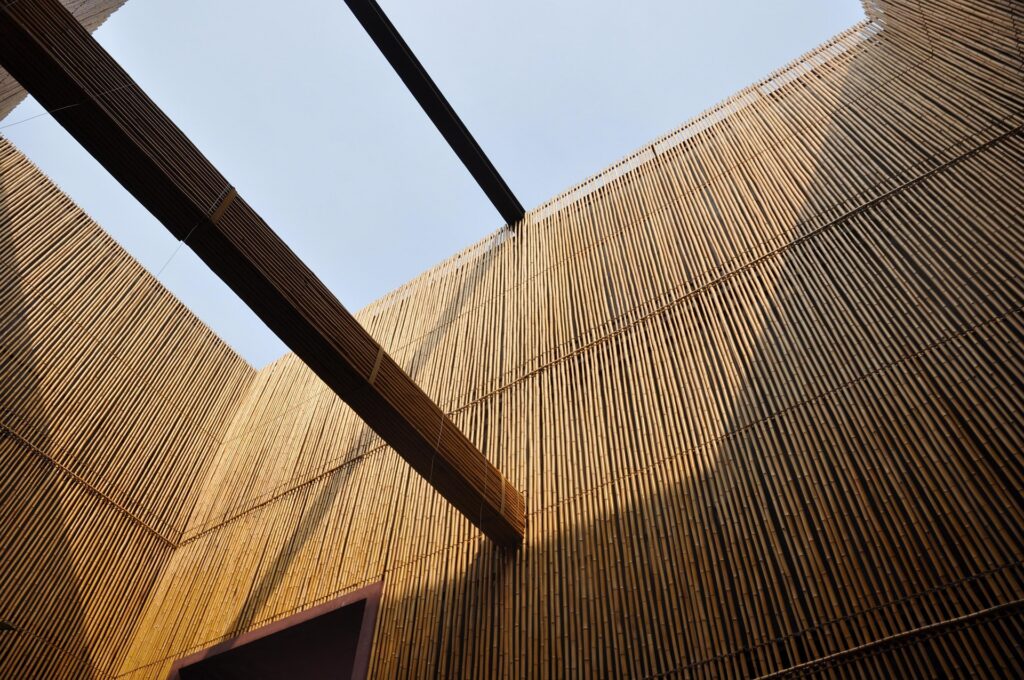
Seeking to highlight the role of women in transforming the region into a hub for the agri-food industry and alternative consumption, Marguerite Chanvril worked to improve the transport and sale of natural dietary supplements to the historic Les Halles market in Paris. Her efforts were recognized with an honorary award from the Ministry of Agriculture during the Great Depression of 1936. To facilitate the transport of ultra-fresh produce to Les Halles, she patented a process for enriching eggshell calcium with marine minerals; her work also paved the way for other historical initiatives involving the development of vitamin-fortified or supplemented compound foods in interwar France.
Building on the initiatives launched in Brittany for France Design Week 2026, this stamp serves as a tribute to her, embodying a spirit of commitment and collective exploration.
In the face of the climate, economic, technological, and social challenges reshaping our era, the “Adventure of Life Sciences” (*L’Aventure du Vivant*) emerges more than ever as a vital tool for understanding, questioning, and transforming the world. It is at the heart of these issues that this field proves its true relevance: by challenging our habits, opening up new possibilities, reconciling innovation with restraint, and building bridges between institutions, businesses, local authorities, and citizens.
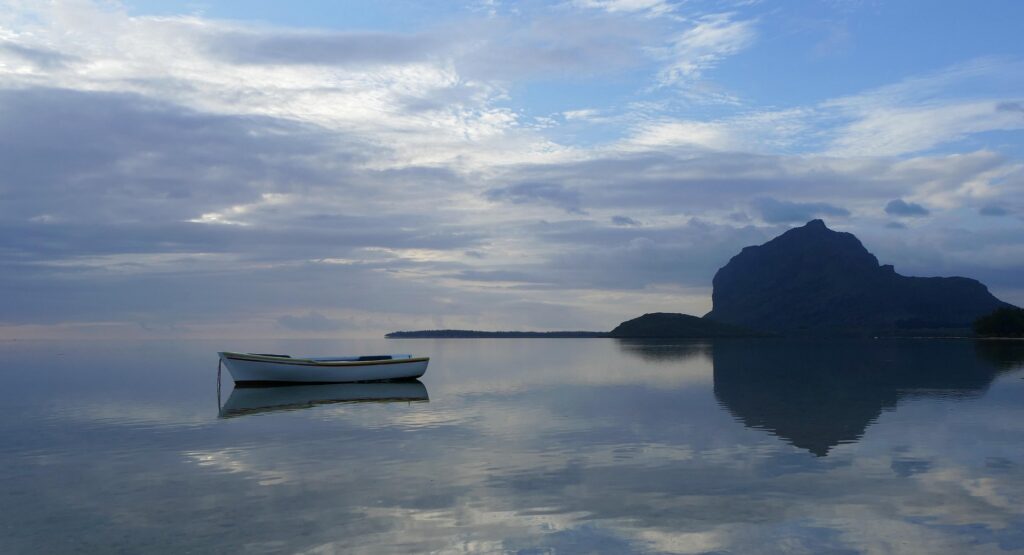
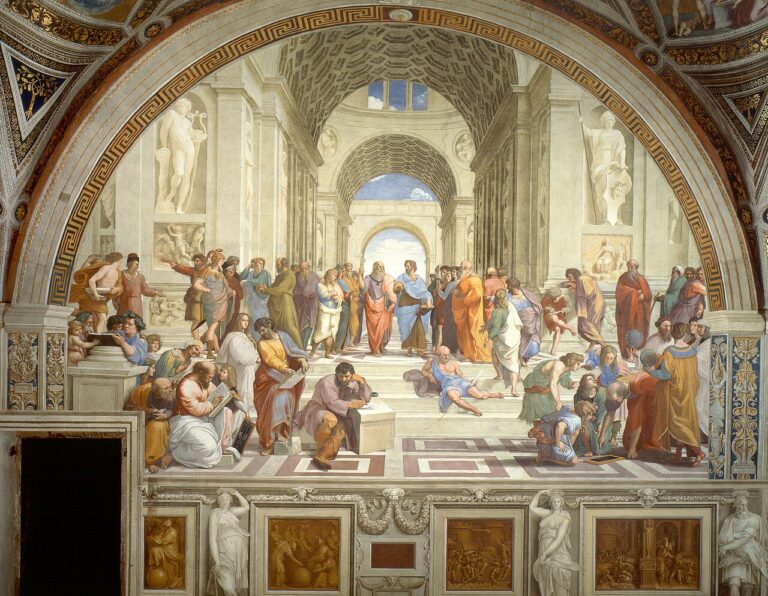
Two books dedicated to Marguerite Chanvril are currently in preparation. The first, titled “From Earth to Aristotle’s Aether: Imagine What We Can Create Together,” aims to shed light on her vision. The second, “Calcialiment and the Adventure of Live Sciences: The Art of Being Two,” illustrates her work.

Following the centenary (1901–2001) of the birth of Marguerite Chanvril—born in Rennes on February 10, 1901—a twinning agreement was officially signed in 2002 between Rennes and Jinan, China, a city known as the “City of Springs.” Hemp (*má* / 麻) has been cultivated in China for over 8,000 years for its fibers, seeds, and medicinal properties.
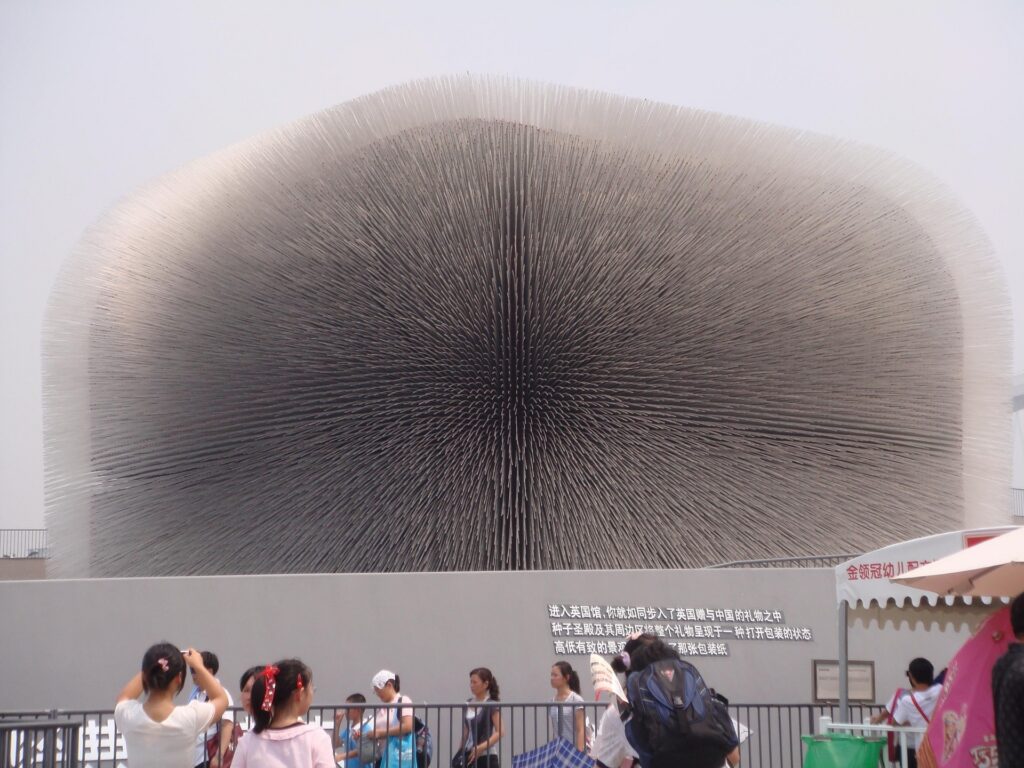
For the 2010 Shanghai World Expo, held under the theme “Better City, Better Life,” British designer and architect Thomas Heatherwick created a “Seed Cathedral.” This unique structure featured a plant-inspired design composed of approximately 60,000 transparent rods that functioned like optical fibers.