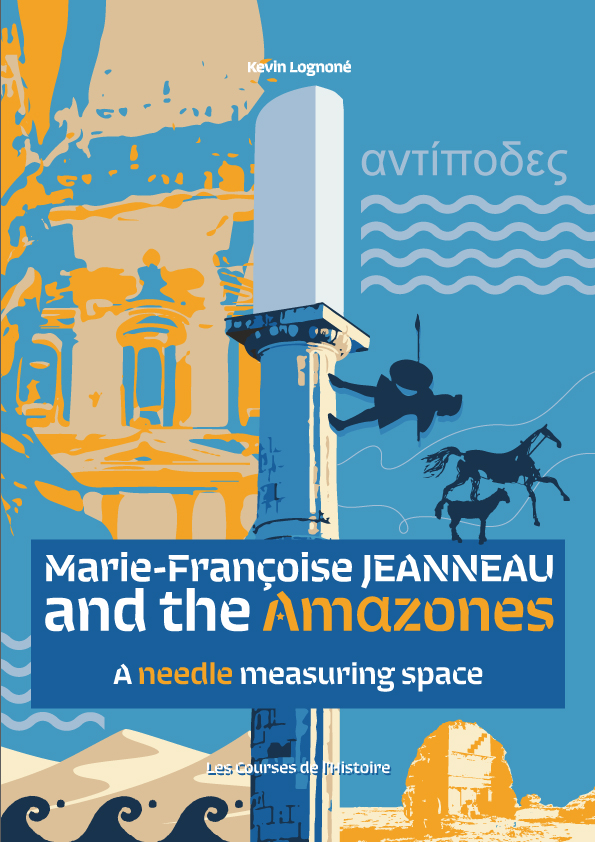
Marie-Françoise Jeanneau and the Amazons. A Needle Measuring Space
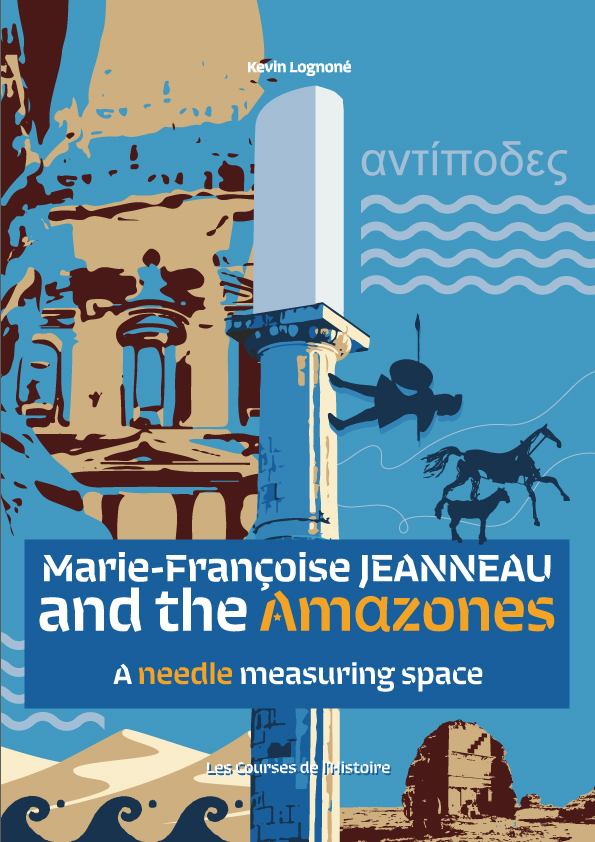
Marking the Marie-Françoise Jeanneau philatelic centenary, the book *Marie-Françoise Jeanneau et les Amazones. Une aiguille mesurant l’espace* (“Marie-Françoise Jeanneau and the Amazons: A Needle Measuring Space”) offers an equestrian odyssey dedicated to this woman of letters—a scholar of Greek humanities and classical literature.
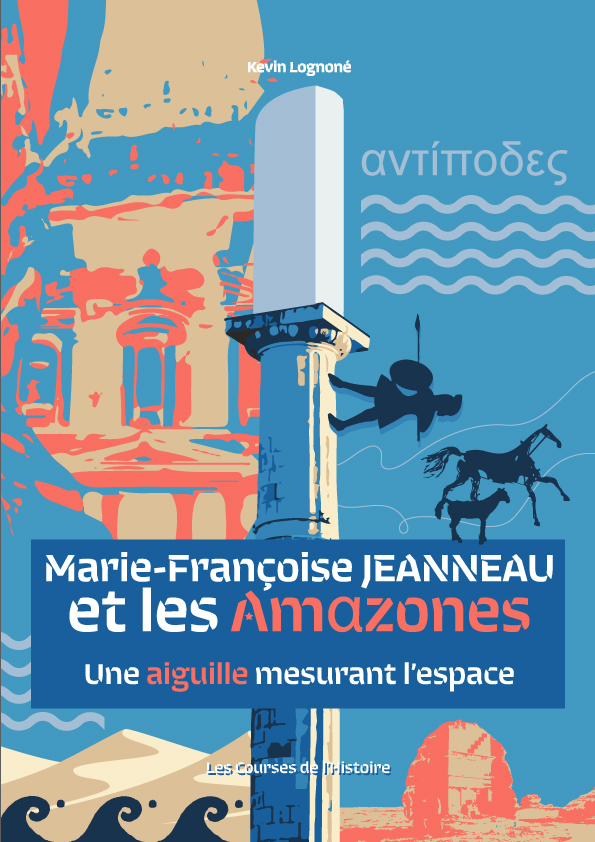
Connecting to the legacy of the Amazons found in literature and history, Marie-Françoise Jeanneau was the granddaughter of the doctor Élie Ferdinand Murier (1873–1949) and Marie Zénaïde Josèphe Bazin (1878–1963).
The name Hippolyta—Queen of the Amazons—means “to set horses free” in Greek. A distinguished writer, Marie-Françoise Jeanneau devoted a study to the “Amazons of the Chouannerie” and *Le Testament de Merlin* within the work *Théophile Briant (1891–1956): Veilleur d’un Phare Éternel* (“Guardian of an Eternal Lighthouse”).
Thus, this book offers a chronological exploration of how Westerners have depicted the Amazons from Antiquity through the 20th century. It is driven by a desire to revitalize Marie-Françoise Jeanneau’s historical and cultural interests and share them with the widest possible audience.
May this “making of heroines” serve as a threshold to cross—a place to find nourishment before setting off again, enriched by new ideas and diverse, multilingual cultures.
Woven thread by thread—like the rhythm of a textile mill and serving as a silent contribution to the 2030 World Expo (“Foresight for Tomorrow”)—culture is interlaced throughout this book like a piece of fine fabric.
“I imagine—and there is no harm in that, nor any illusion; “…that with a silk thread I cut through iron, that with a wool thread I build the tents and shelters of distant lands…” — so the Palestinian poet Mahmoud Darwish illustrated the power of imagination.
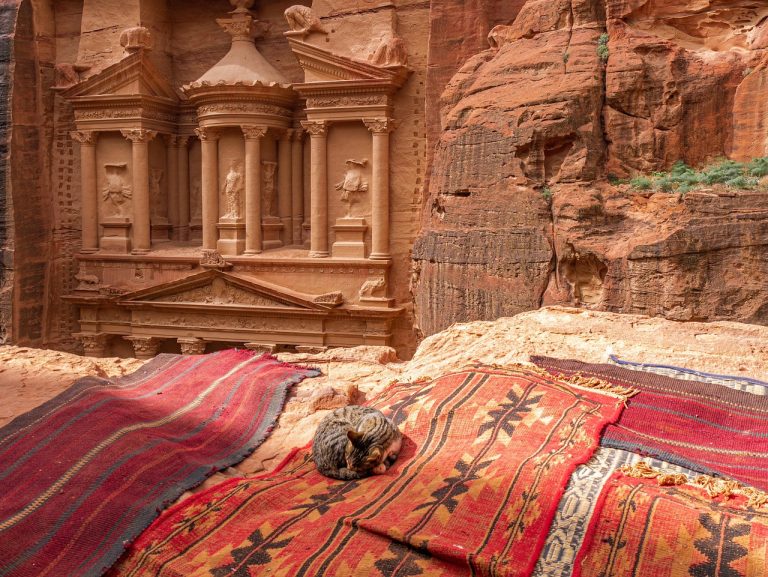
Here, imagination illustrates our capacity to build distant cities using nothing but a strand of wool. For a thirst for knowledge and artistic genius awaken dormant resources—resources as precious in remote desert lands as they were in the ancient city of Petra, Jordan, home to Nabataean tombs featuring depictions of Amazons.
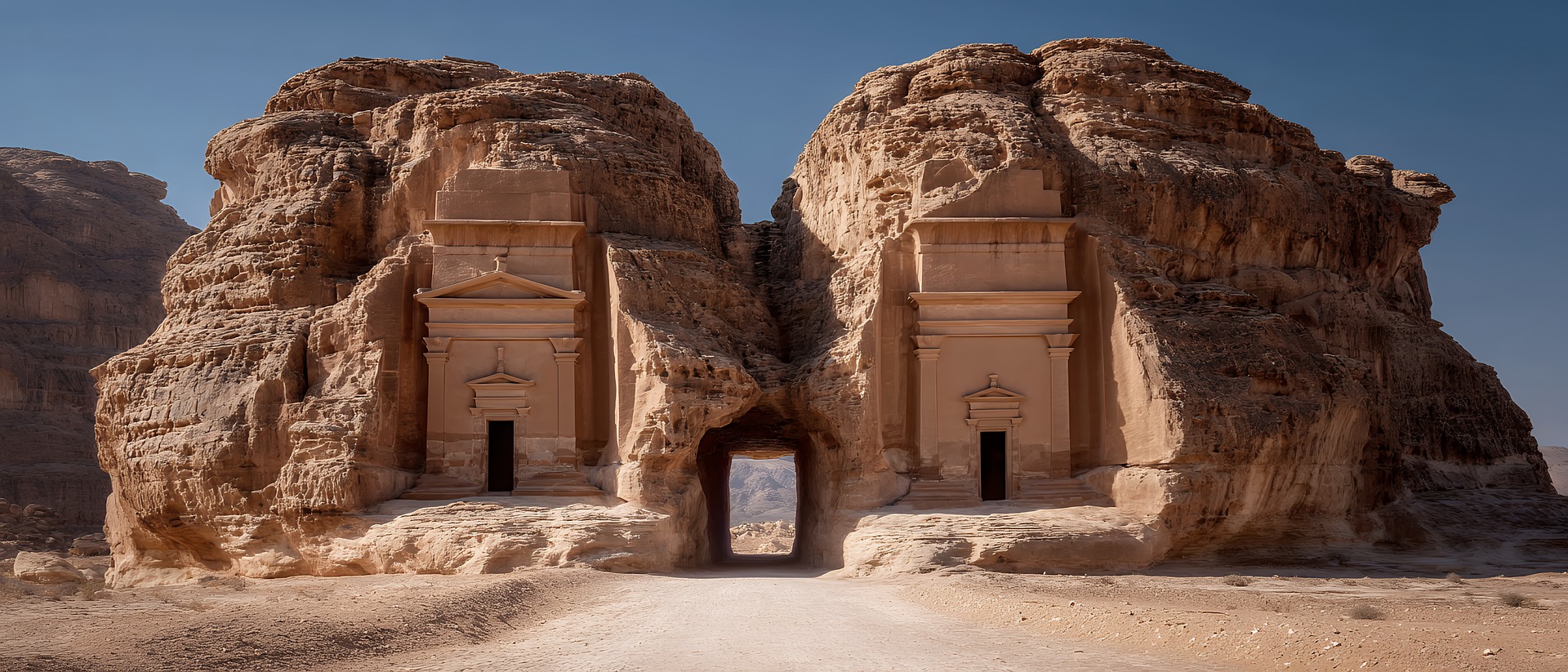
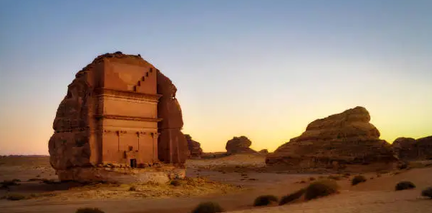
These Amazons embody the radiance of the Hegra sun and the memory of the Al-Ula desert. Here, along the caravan routes, nomads and travelers paused and learned the meaning of patience.
In these oases, the Nabataeans carved the rock in pursuit of freedom and eternity—a feat noted long ago by Diodorus Siculus.
As stone transforms into a book and the horizon into a promise, let us harness these dormant resources—acting like a “needle measuring space” guided by Marie-Françoise Jeanneau’s “horizon thread.”