Building Sovereign AI from a Hong Kong Vantage Point: Meet Raphael Mansuy
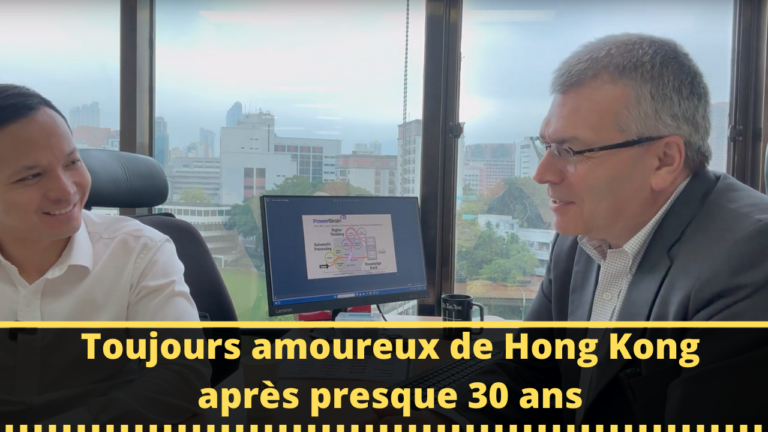
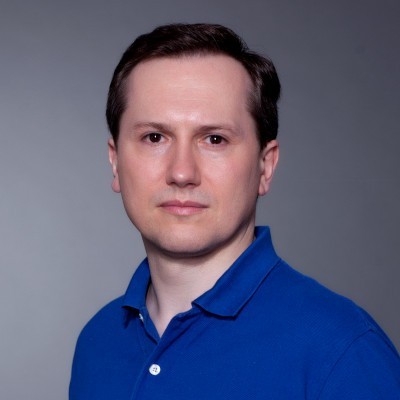
Raphael is a French expat and AI entrepreneur based in Hong Kong, specializing in Agentic AI and data strategy. With over three decades in the field, he was recently ranked among the world’s top 100 most influential people in AI. A proponent of building in public, he leverages his unique East-West vantage point to advise major corporations while founding ventures like Quantalogic, a sovereign AI Agent platform for Europe, and StudentCentral.ai, which reimagines education. Here, he shares his insights on influence, innovation, and the future of AI.
The Ranking and What It Means
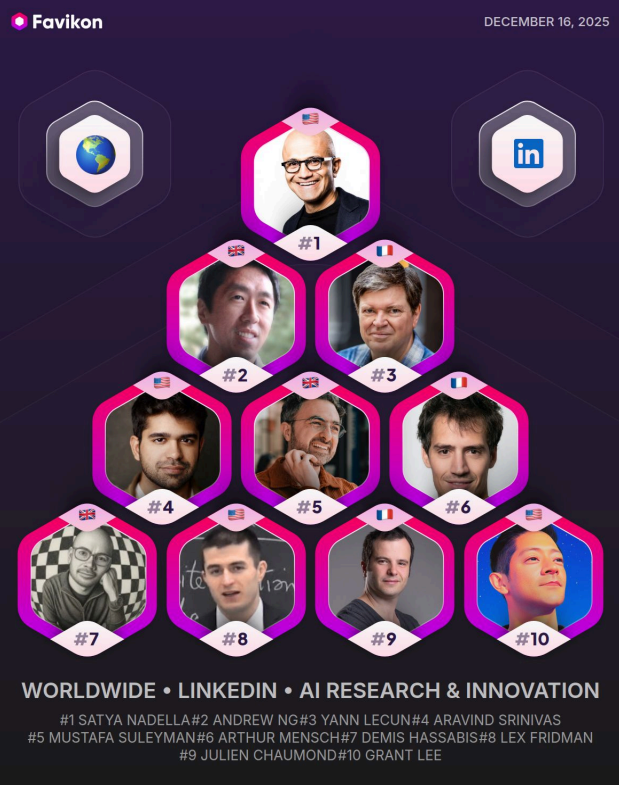
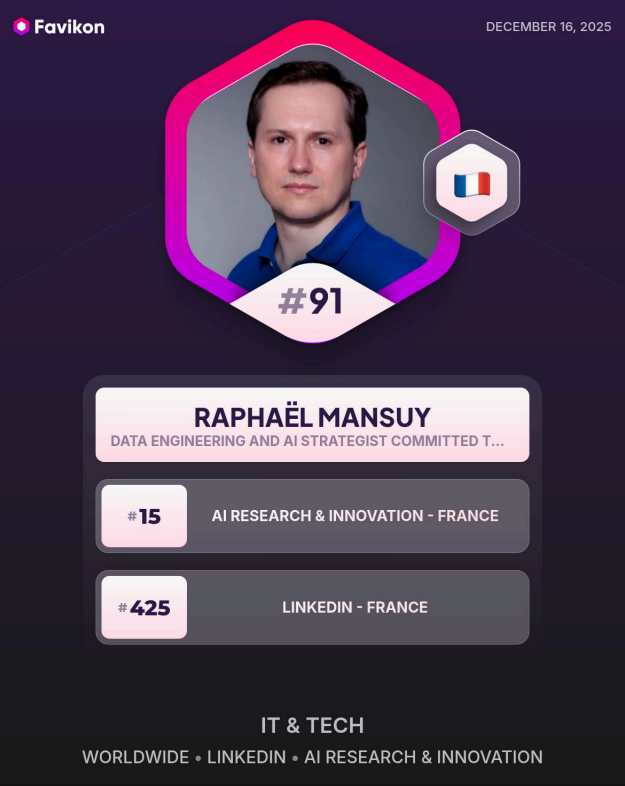
You’ve just been ranked #91 among the top 100 most influential people in AI worldwide. Could you tell us more about this ranking—how it’s determined, and what it means to you personally?
“I’ve been working in Data and AI for over 30 years now. My family and I established ourselves in Hong Kong in 2008, and it’s been an extraordinary vantage point from which to observe and participate in the AI revolution.
In 2022, I made a deliberate decision to start writing publicly about AI. I was inspired by Shawn “swyx” Wang, a prominent tech leader originally from Singapore, now based in San Francisco. He champions a philosophy called “Building in Public”—the idea that you learn faster and create more value when you share your journey openly, including your experiments, failures, and insights. Rather than waiting until something is perfect, you iterate in front of an audience. It creates accountability, attracts collaborators, and contributes to the collective knowledge of the community. That philosophy resonated deeply with me.
The ranking itself is based on direct measurement of engagement across platforms like LinkedIn and X—how many people interact with your content, share it, and comment on it. To give you a sense of scale: I have around 32,000 followers and generated over two million views last year. But beyond the numbers, what matters to me is the daily discipline behind it. I review research papers every morning, identify the most significant developments, and publish accessible breakdowns. This habit gives me an incredible edge—I see patterns emerging across the field before they become mainstream. And yes, much of this workflow is now automated by AI agents I’ve refined over months. I use AI to stay ahead in AI.
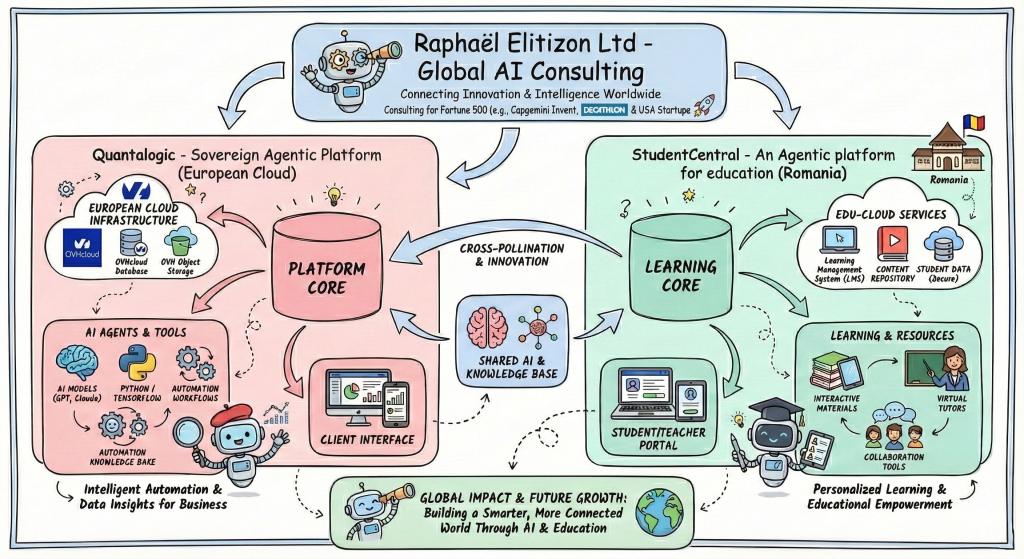
This visibility has helped fuel two ventures I’m currently building. The first is Quantalogic, where we’re developing what I call a sovereign AI Agent platform for Europe. Let me be clear about our philosophy: we’re not trying to build AGI. I’m not a cult leader chasing artificial general intelligence in some messianic race. Instead, we’re focused on building AI agents that produce real-world value at minimal energetic cost—systems that benefit society, built on open standards, without dependency on US hyperscalers like AWS, Microsoft, or Google. Europe deserves technological sovereignty, and that’s what we’re working toward.
The second venture is StudentCentral.ai, a startup deeply connected to the European university ecosystem. We’re reimagining how education works in the age of AI—not replacing teachers, but augmenting the entire learning experience.
Alongside these ventures, I continue consulting for major corporations like Decathlon and Capgemini Invent, as well as several US-based startups. It keeps me grounded in real business problems while I build for the future.”
Focus, Background, and Why Hong Kong
What is your primary focus or role in the AI field? Where are you originally from, and what led you to base yourself in Hong Kong?
“My primary focus is Agentic AI. The term comes from the Latin agere, meaning “to act.” Traditional AI systems respond—they wait for a prompt, process it, and return an answer. Agentic AI is fundamentally different: these systems can reason, plan, use tools, and take autonomous action toward goals. They’re not just answering questions; they’re solving problems. They can break down complex tasks, delegate subtasks, recover from errors, and operate with a degree of independence. This is where the real transformation happens—AI that doesn’t just assist but actually does.
As for my background: I was born in Verdun, in the Meuse region of northeastern France—a place steeped in history. I attended high school in Reims, studied mathematics there, and then completed my degree in Computer Science with specializations in AI and Database Systems at the University of Dijon. My early career was spent building software consulting businesses. In 2020, I sold my last company to the Air Liquide Group.
My wife is from Hong Kong, and we’ve built all our businesses together as partners. We established ourselves here in 2008, and it’s proven to be an extraordinary base. The time zone alone gives me a significant advantage: I can do deep, focused work until around 3 PM, and then shift to managing my European companies after 4 PM when the continent wakes up. Living in Asia while working with both European and American companies gives me a truly global perspective on what’s happening in AI and Data. I see trends emerge across all three major innovation hubs—and that panoramic view is invaluable.”
Upcoming Projects and Next Steps
What upcoming projects are you working on? How do you envision your next major challenge or career step?
“The next chapter is about scaling. Both Quantalogic and StudentCentral.ai have proven their concepts—now we need to grow them into sustainable, impactful companies.
Beyond that, as a Hong Kong permanent resident, I feel a responsibility to give back to this city that has given me so much. I want to contribute more actively to strengthening the bridge between Asia and Europe. Hong Kong has always been a gateway, and in the age of AI, that role is more relevant than ever. I see an opportunity to facilitate partnerships, knowledge exchange, and investment flows between these two regions. That’s both a personal mission and a strategic opportunity.”
Networking and the Role of French Tech
In your experience, how important is networking in the AI industry? How can communities like French Tech support AI professionals?
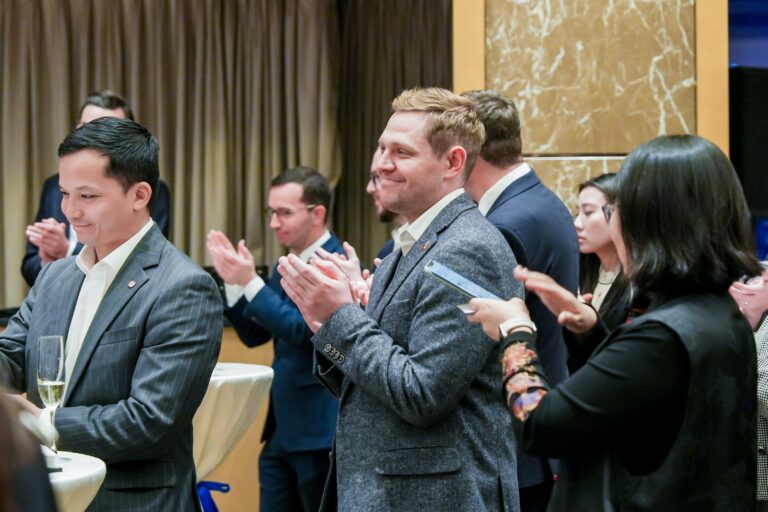
“I’ll be direct: the creation of French Tech is one of the genuinely good things to come out of French political initiatives in recent years. I’ve been a board member of French Tech Hong Kong / Shenzhen since 2020, so I’ve seen firsthand what it can accomplish.
Here’s what I’ve learned: innovation is fundamentally an ecosystem problem. San Francisco didn’t become the center of tech by accident—it succeeded because the city created conditions that attract like-minded people who share a community of values. The density of talent, capital, and ambition in one place creates a compounding effect. Ideas collide. People meet their future co-founders at coffee shops. Investors and founders speak the same language.
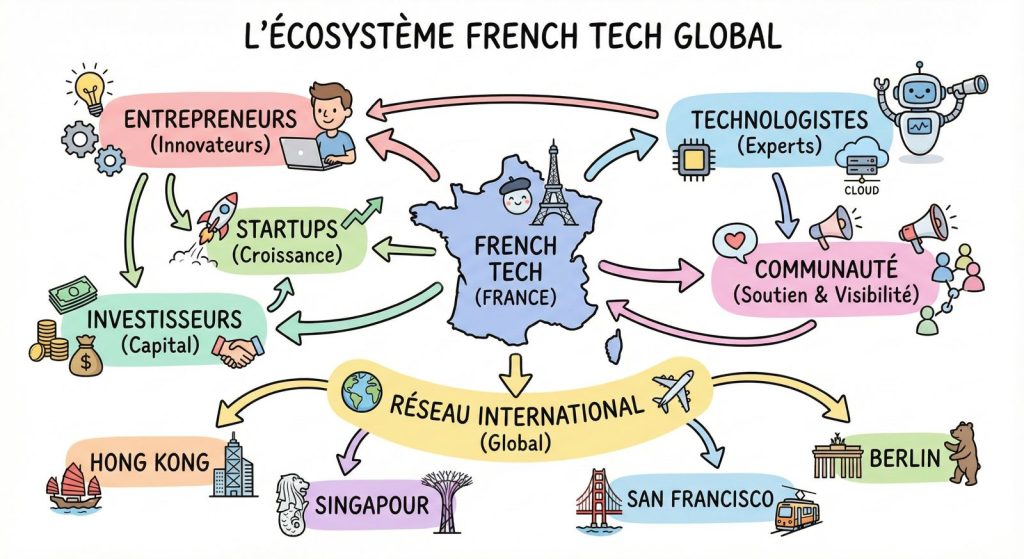
French Tech replicates that ecosystem logic on a global scale. It’s about connecting French entrepreneurs, investors, and technologists wherever they are in the world—creating nodes of community in Hong Kong, Singapore, San Francisco, Berlin, and beyond. It projects the soft power of France while providing practical value: introductions, support, visibility.
For AI professionals specifically, these networks are essential. AI is moving too fast for anyone to master alone. You need access to people who see different parts of the landscape—researchers, product builders, policy experts, investors. French Tech, and communities like it, accelerate those connections.”
Connect with Raphael on LinkedIn: https://www.linkedin.com/in/raphaelmansuy